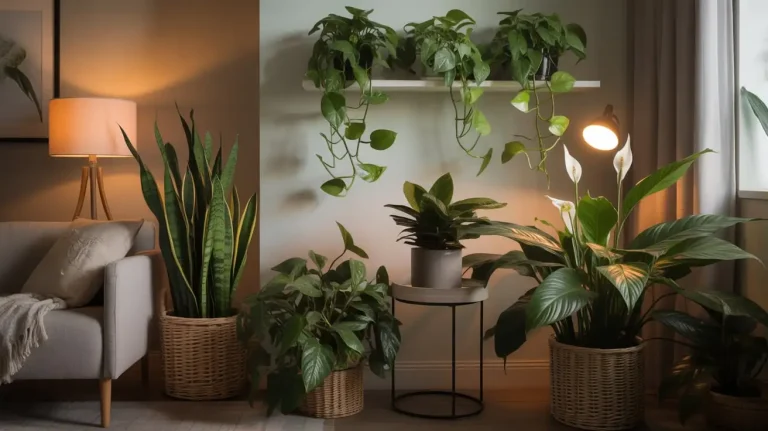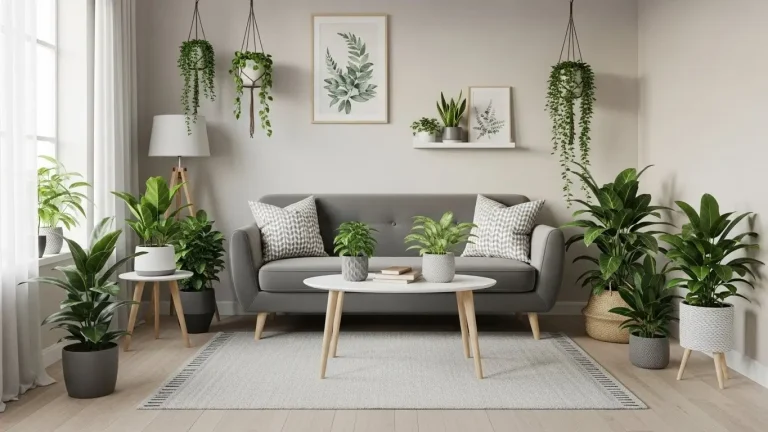

Do you have an empty corner or a blank wall that feels unfinished? Large indoor plants solve that problem fast.
These tall houseplants indoor fill space with natural height and texture, making rooms feel complete and alive. In 2026, people choose hardy varieties that need little daily attention yet still look impressive year after year.
This guide shows you exactly how to pick the right big indoor plants for your home conditions and keep them healthy with simple habits.
You will learn which plants match your light levels, where to place them for the best effect, and the basic care steps that prevent common issues.
Start with one plant, and your space gains fresh character right away.
1. Why Add Big Indoor Plants?
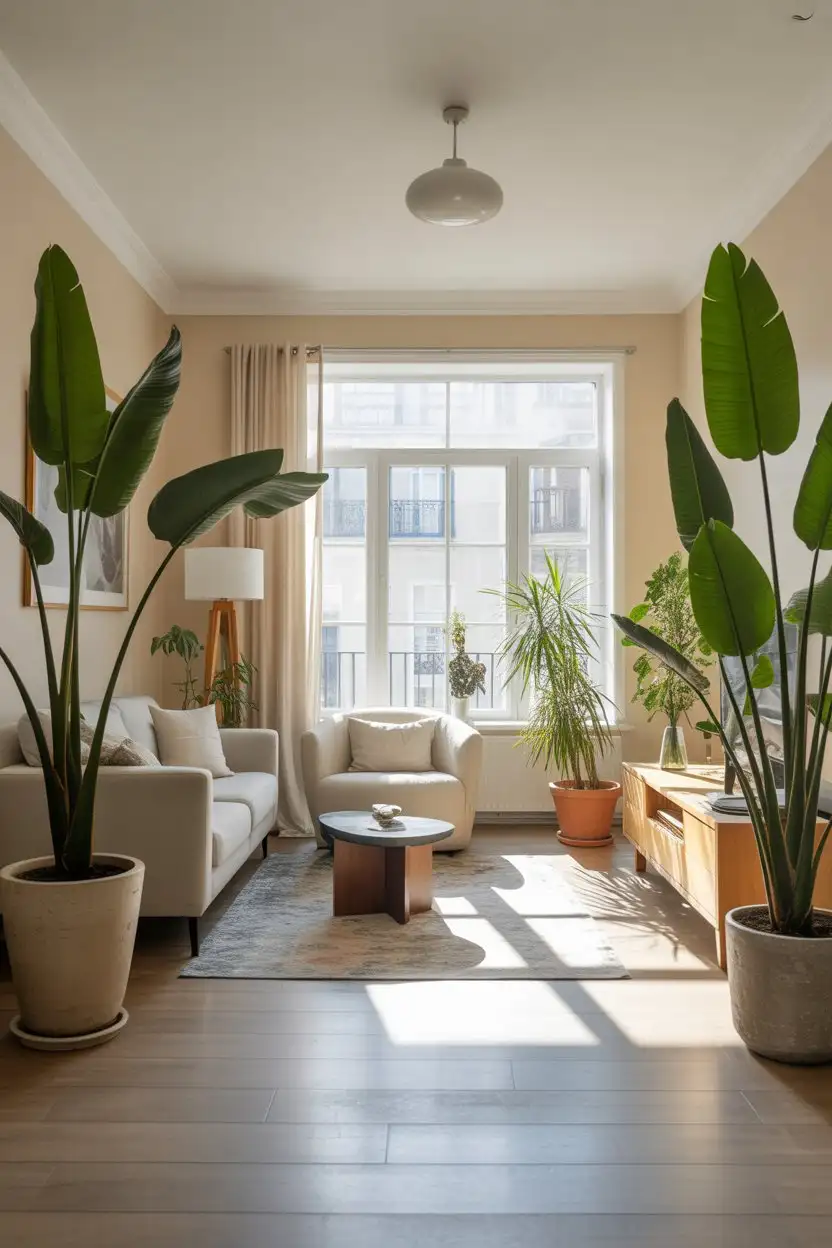
Statement indoor plants turn plain rooms into welcoming spaces. They act as natural room dividers in open layouts, soften sharp furniture edges, and create a calm atmosphere.
Many large varieties also filter everyday indoor air pollutants such as dust and chemicals.
The best part is how little effort they require once established. Busy schedules no longer mean dead plants.
Low-maintenance options stay green and strong even when you forget a watering day or two. Choose the right type, and these plants grow with your home for years.
- Create focal points without spending time on wall art
- Improve air quality in living rooms and bedrooms
- Divide open areas without adding furniture
- Add height to rooms with high ceilings
- Bring a quiet, natural feel to modern spaces
“Big plants make small changes feel big.”
2. Top Large Indoor Plants 2026
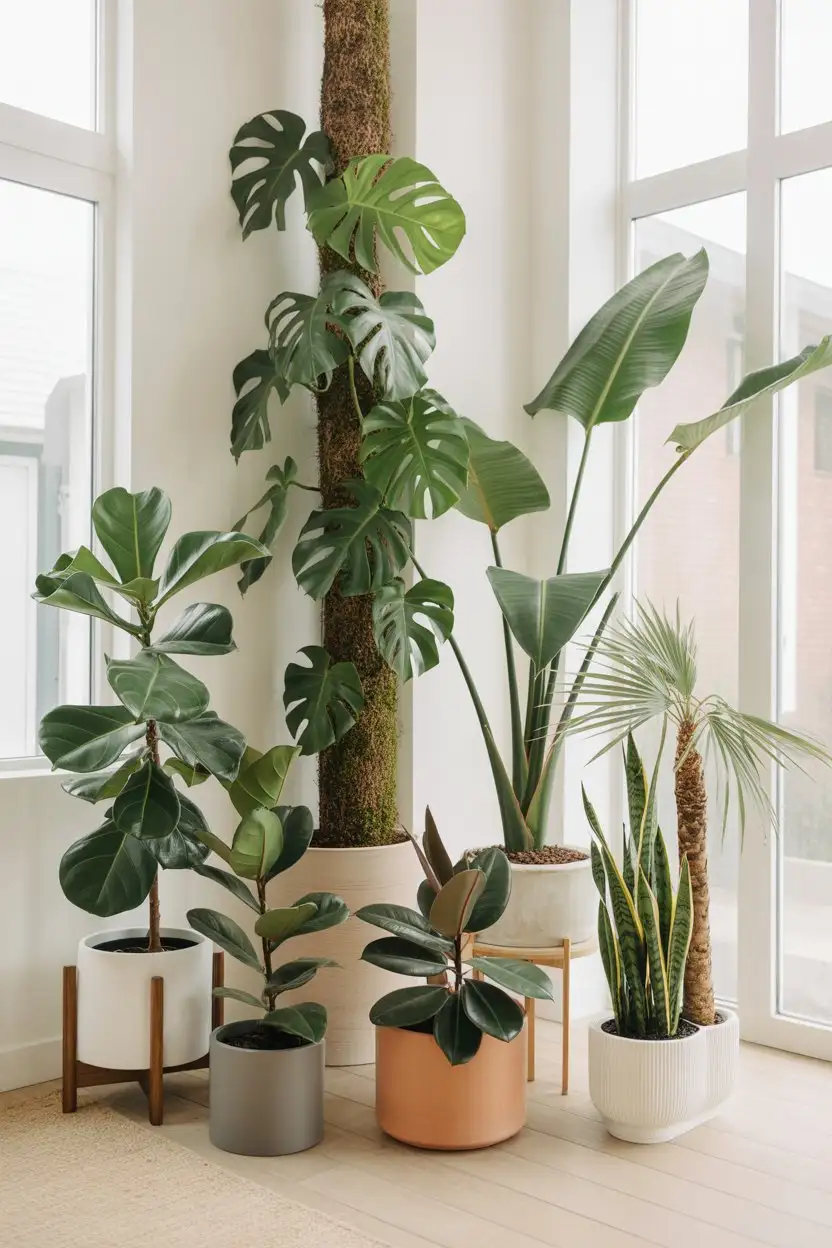
Hardy, good-looking plants lead the way in 2026. These varieties handle typical home conditions and keep their shape without constant trimming.
Each one offers a different leaf style and growth habit to match various rooms.
Pick from forgiving types that survive lower light or occasional dry spells.
Classic favorites like fiddle leaf fig and snake plant remain popular, while others like kentia palm gain attention for their elegant look.
- Fiddle Leaf Fig grows broad, shiny leaves in bright indirect light
- Monstera Deliciosa develops split leaves and climbs upward easily
- Bird of Paradise shows large banana-style leaves in sunny spots
- Rubber Plant keeps thick dark leaves even in lower light
- Snake Plant stands tall with upright blades in dim corners
- Kentia Palm forms soft feathery fronds in medium light
“Choose plants that match your light first.”
3. How to Choose Oversized Indoor Plants
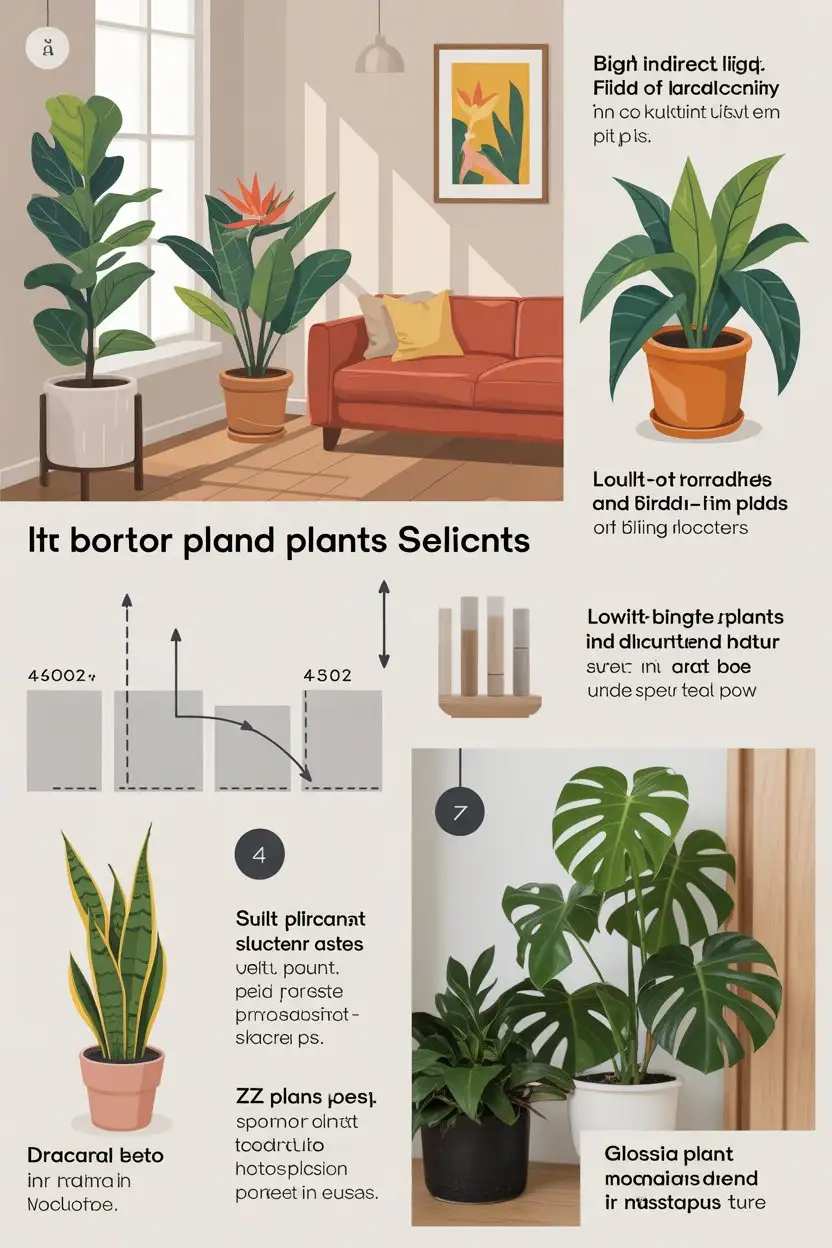
The right plant depends on your home’s light, size, and routine. Bright indirect light supports broad-leaf types like fiddle leaf fig and bird of paradise.
Low-light areas work better with tough plants such as snake plant or ZZ plant.
Measure the spot before you buy. Narrow corners suit upright growers like dracaena. Wider areas handle spreading plants like monstera.
Start with a smaller size if you want the plant to adapt slowly over time.
- Test light with a phone camera in different spots
- Measure floor space and ceiling height
- Pick forgiving plants for travel or busy weeks
- Choose younger plants for easier adjustment
- Check leaf shape for the look you want
“Match the plant to the room, not the other way around.”
4. Where to Place Large Indoor Plants
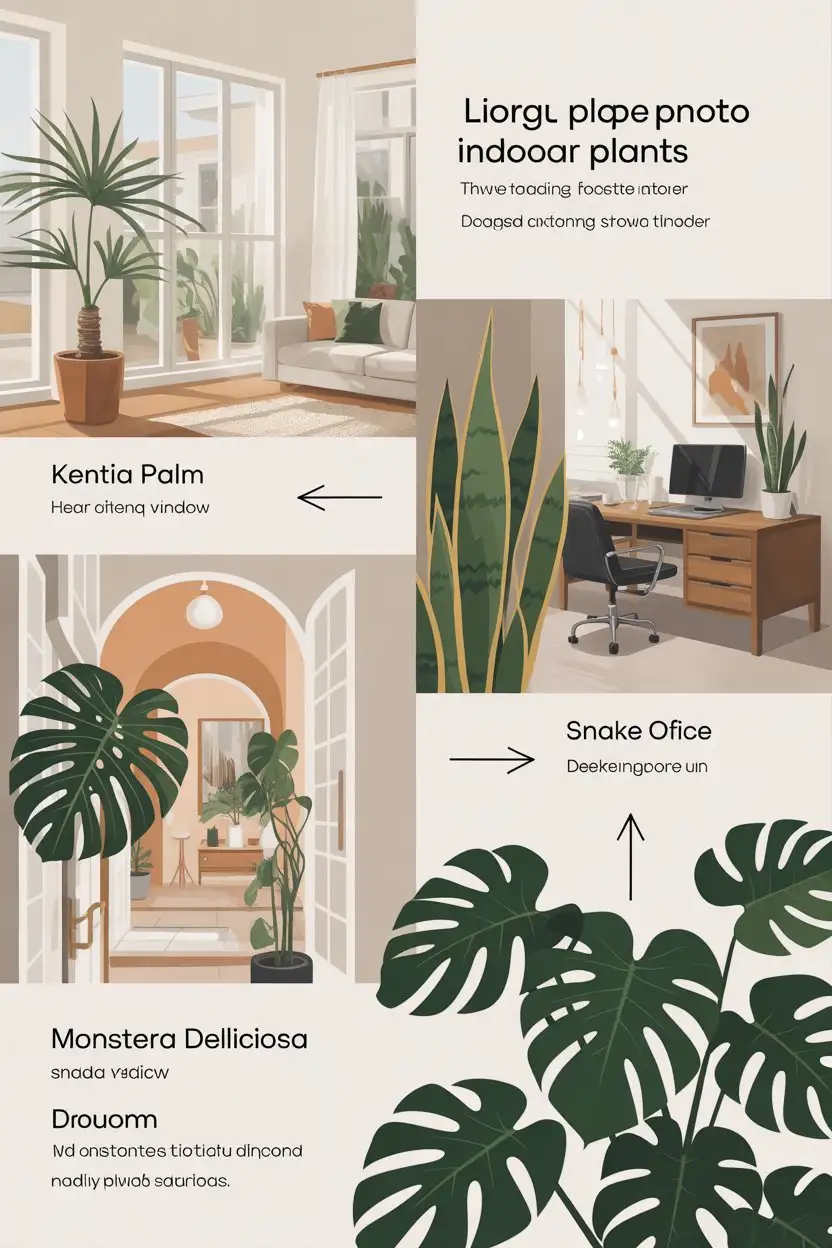
Correct placement keeps plants healthy and makes them look balanced. Position them near windows for natural light, but avoid direct hot sun that burns leaves.
Living rooms benefit from tall indoor trees near seating areas.
Entryways gain instant impact with a single statement plant. Bedrooms and home offices stay calm with air-purifying options on floors or low furniture. Always keep plants clear of heating vents and cold drafts.
- Place kentia palms near windows in living rooms
- Use snake plants beside desks in home offices
- Position statement plants in entryways for first impressions
- Keep broad-leaf types away from direct sun
- Group small plants near large ones for humidity
“Good placement saves more care time later.”
5. Essential Care for Large Indoor Plants
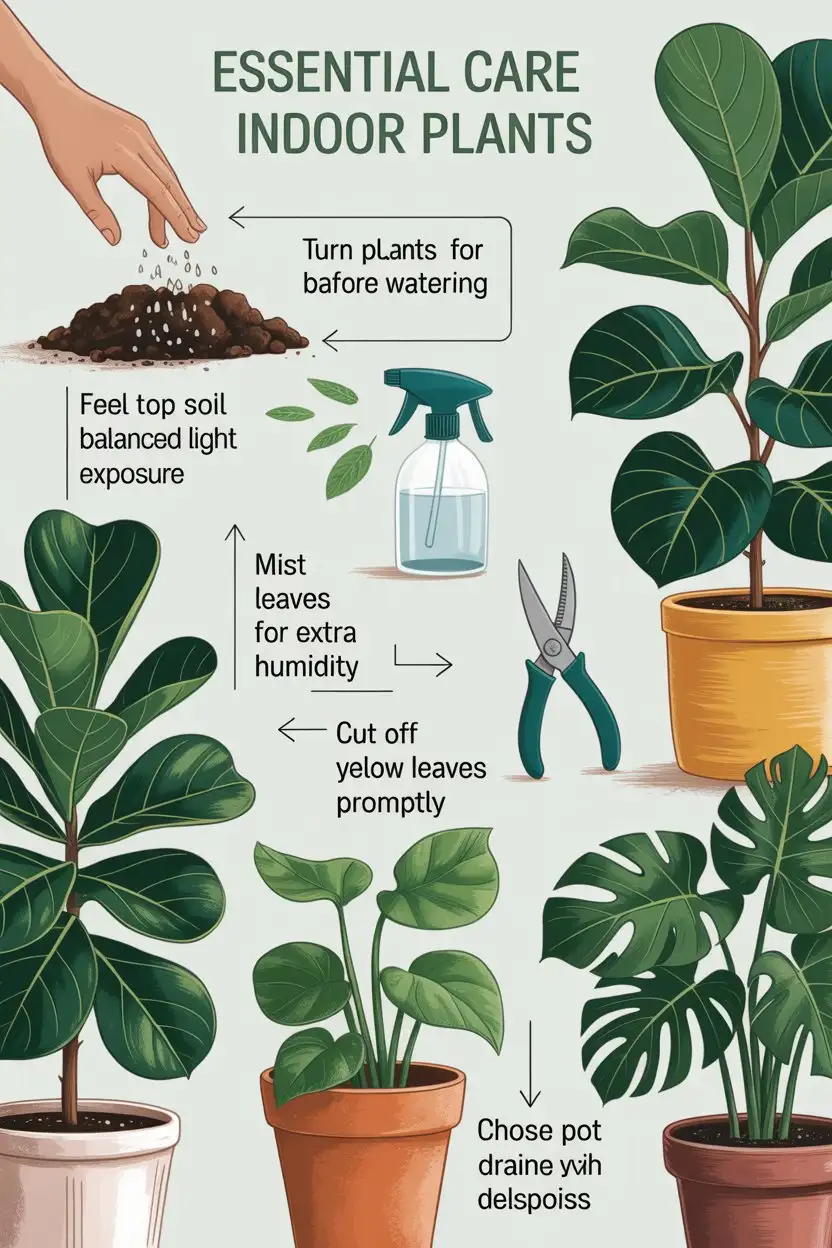
Basic habits keep large plants strong for years. Water only when the top soil feels dry to the touch. Overwatering causes more problems than underwatering in most cases.
Rotate plants every few weeks for even growth. Mist tropical types occasionally, and use pots with drainage holes. Repot every one to two years when roots fill the container.
- Feel top soil before watering
- Turn plants for balanced light exposure
- Mist leaves for extra humidity
- Cut off yellow leaves promptly
- Choose pots with drainage holes
6. Indoor Trees That Make a Statement
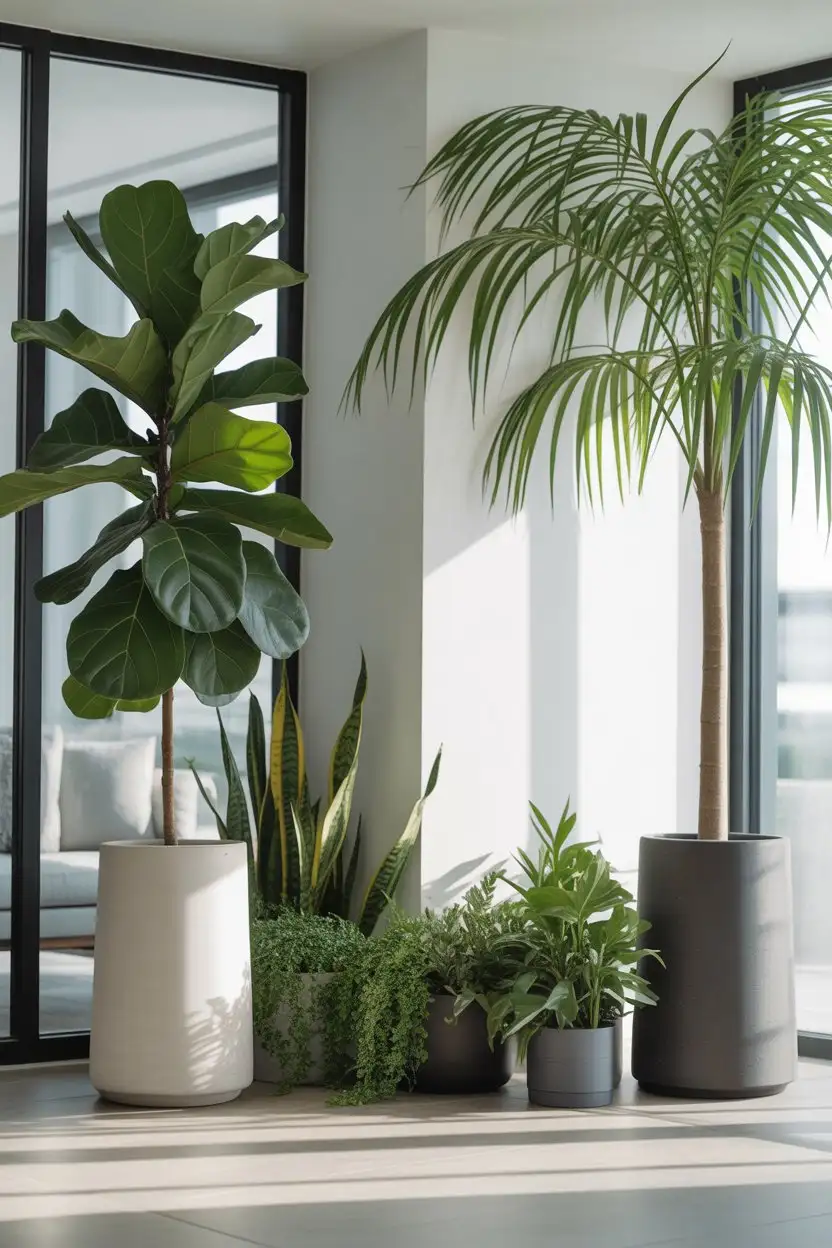
Large indoor trees instantly transform a plain corner into a focal point. Plants like Fiddle Leaf Fig and Kentia Palm provide height, lush greenery, and visual interest.
Their tall stems and full leaves create a natural room divider, soften sharp furniture edges, and enhance modern interiors.
Key Points:
- Ideal for empty corners and living room nooks
- Use tall planters to stabilize height
- Choose varieties that tolerate indoor light conditions
- Rotate periodically for even growth
- Pair with smaller plants for layered visual impact
Indoor trees add a bold, elegant statement to any space without overwhelming it.
7. Air-Purifying Large Plants for Bedrooms
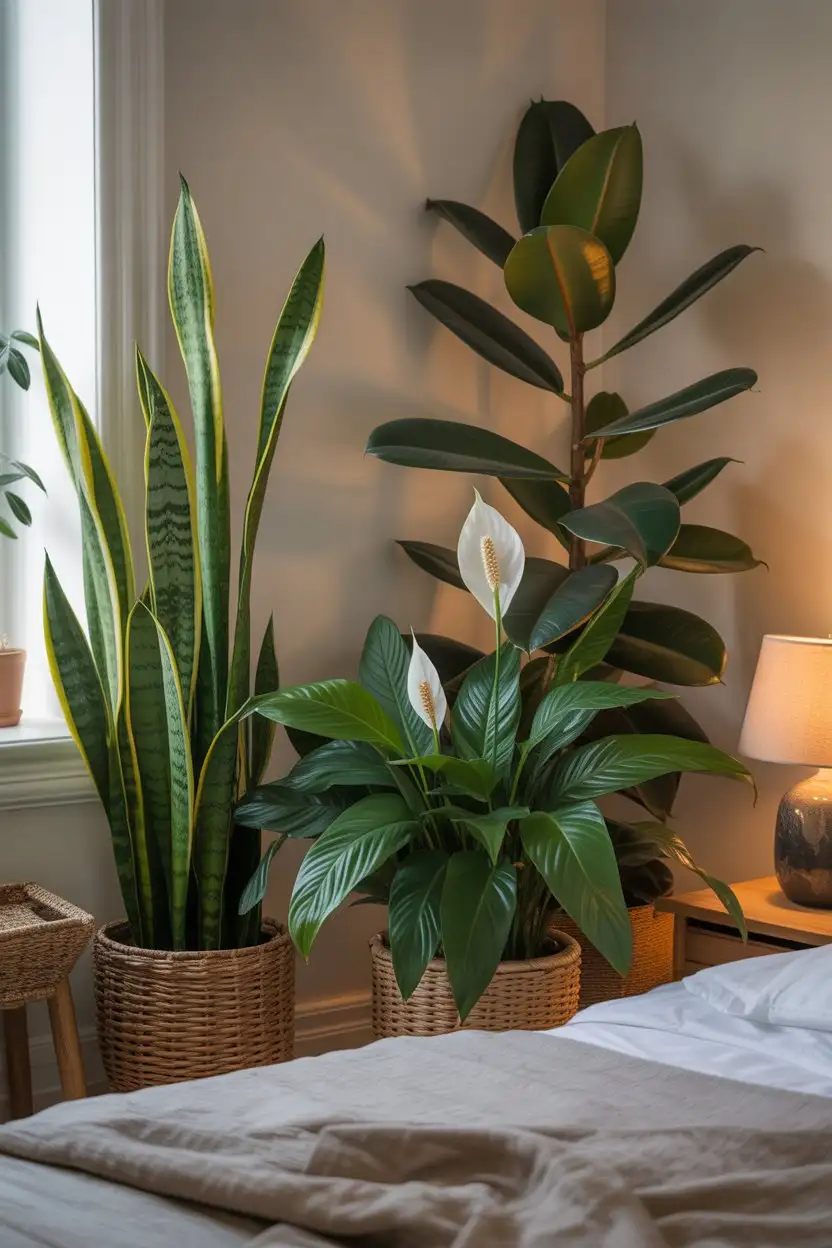
Adding large, air-purifying plants to bedrooms improves air quality while enhancing decor.
Plants like Snake Plant, Peace Lily, and Rubber Plant absorb toxins and add calming greenery. Their presence not only improves sleep quality but also adds a cozy, natural vibe.
Key Points:
- Place near windows or low-light corners depending on species
- Minimal care required for hardy air-purifiers
- Keep away from heating vents or cold drafts
- Rotate occasionally for even light exposure
- Combine with small bedside plants for freshness
Air-purifying large plants make bedrooms both healthier and visually appealing.
8. Tall Plants for Living Room Corners
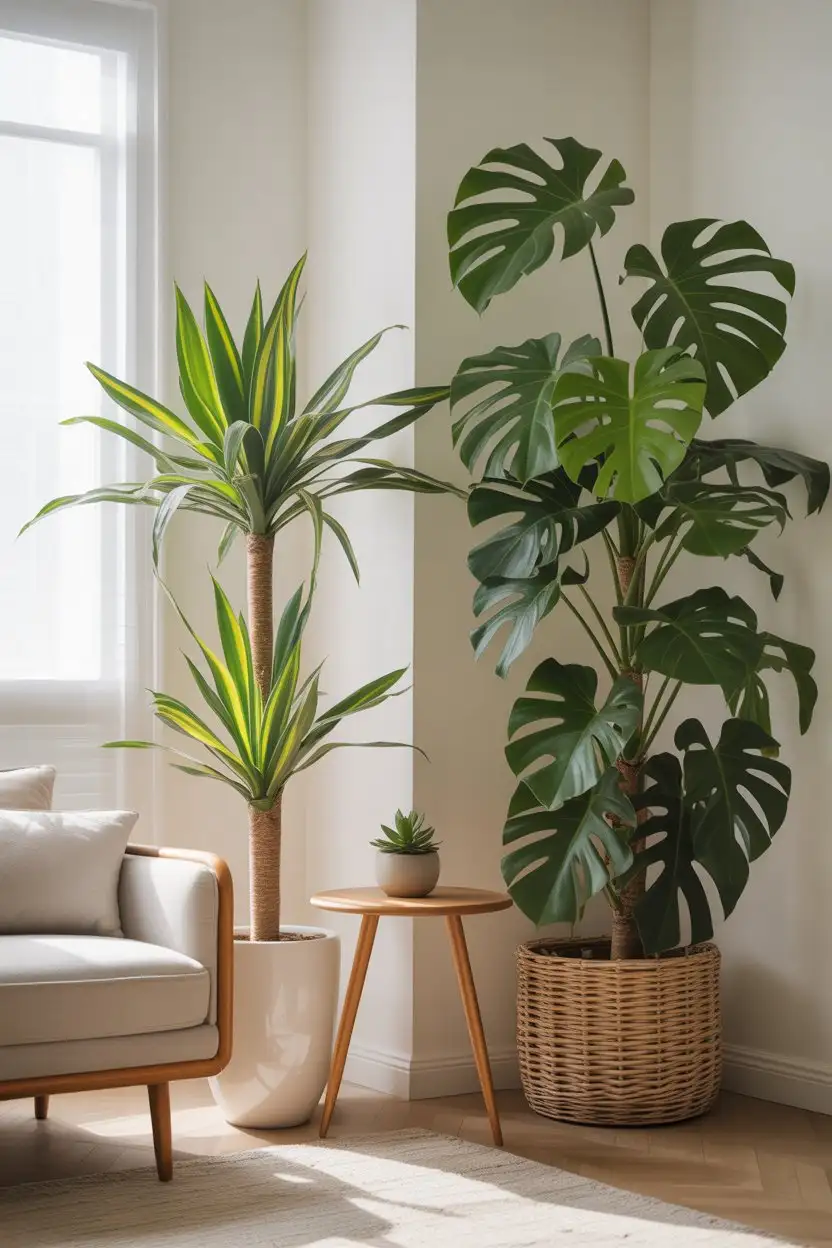
Living rooms often have unused corners that feel empty. Tall indoor plants like Dracaena or Monstera Deliciosa fill vertical space, add softness, and balance furniture arrangements.
Their height draws the eye upward, making the room feel spacious and vibrant.
Key Points:
- Choose upright growth for narrow corners
- Broad-leaf types work for wider spaces
- Complement with mid-sized side tables or small plants
- Ensure indirect light for tropical varieties
- Easy-care options maintain greenery with minimal effort
Tall plants turn ordinary corners into decorative highlights.
9. Low-Maintenance Big Plants for Busy Homes
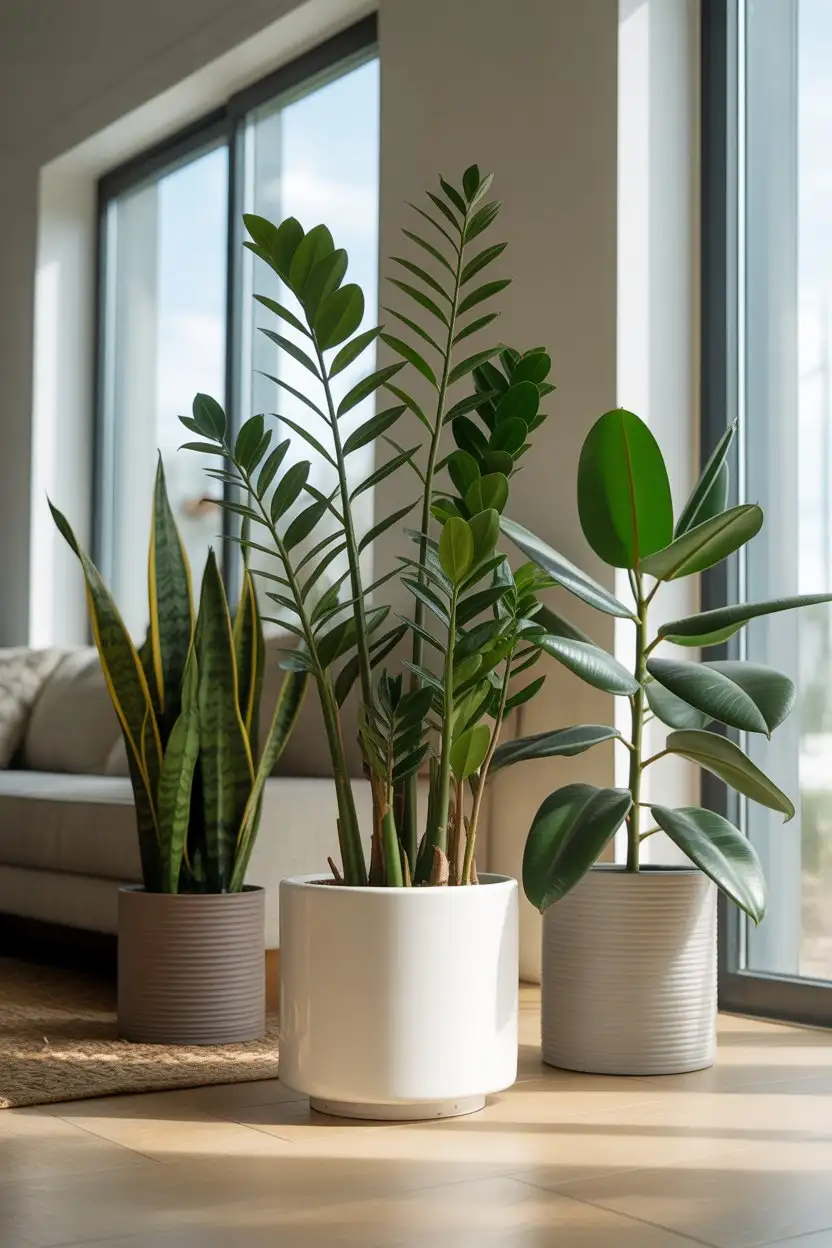
For people with hectic schedules, low-maintenance plants are lifesavers. Varieties like ZZ Plant, Snake Plant, and Rubber Plant thrive with infrequent watering and tolerate low light.
They stay green year-round, making them perfect for apartments, offices, or homes with inconsistent care routines.
Key Points:
- Check soil before watering
- Choose plants that store water in roots or leaves
- Avoid direct sunlight for low-light tolerant species
- Rotate plants for balanced growth
- Minimal trimming required
Low-maintenance large plants allow homeowners to enjoy greenery without stress.
10. Creative Planter Ideas for Oversized Plants
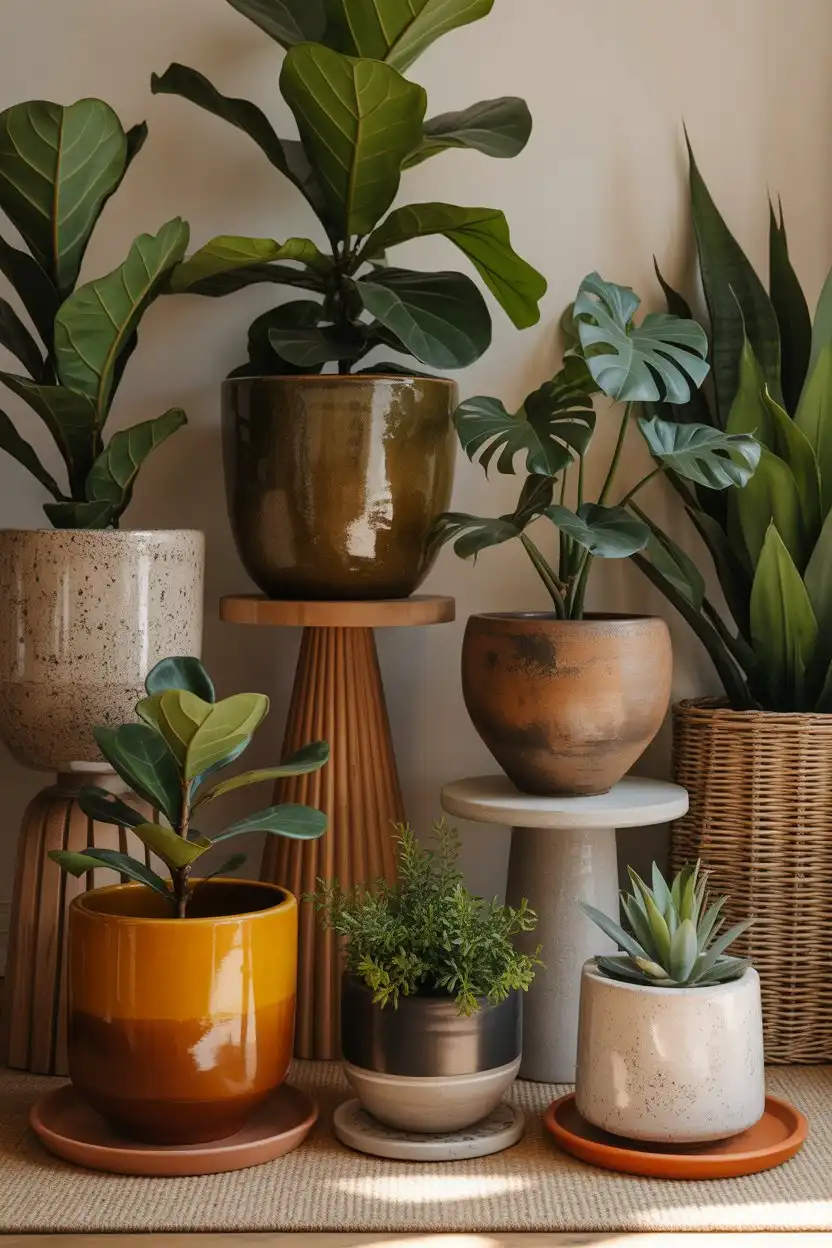
Planters are as important as the plant itself. Stylish pots enhance decor while supporting plant health.
Consider materials like ceramic, clay, or woven baskets to match your interior style. Mixing textures or colors can turn even a simple plant into a centerpiece.
Key Points:
- Use heavy pots to stabilize tall plants
- Match planter style with room theme
- Consider trays or saucers to protect flooring
- Elevate plants with stands for visual layering
- Combine multiple pots for aesthetic grouping
Creative planter choices amplify the style impact of large indoor plants.
11. Mixing Large and Small Plants for Layered Decor
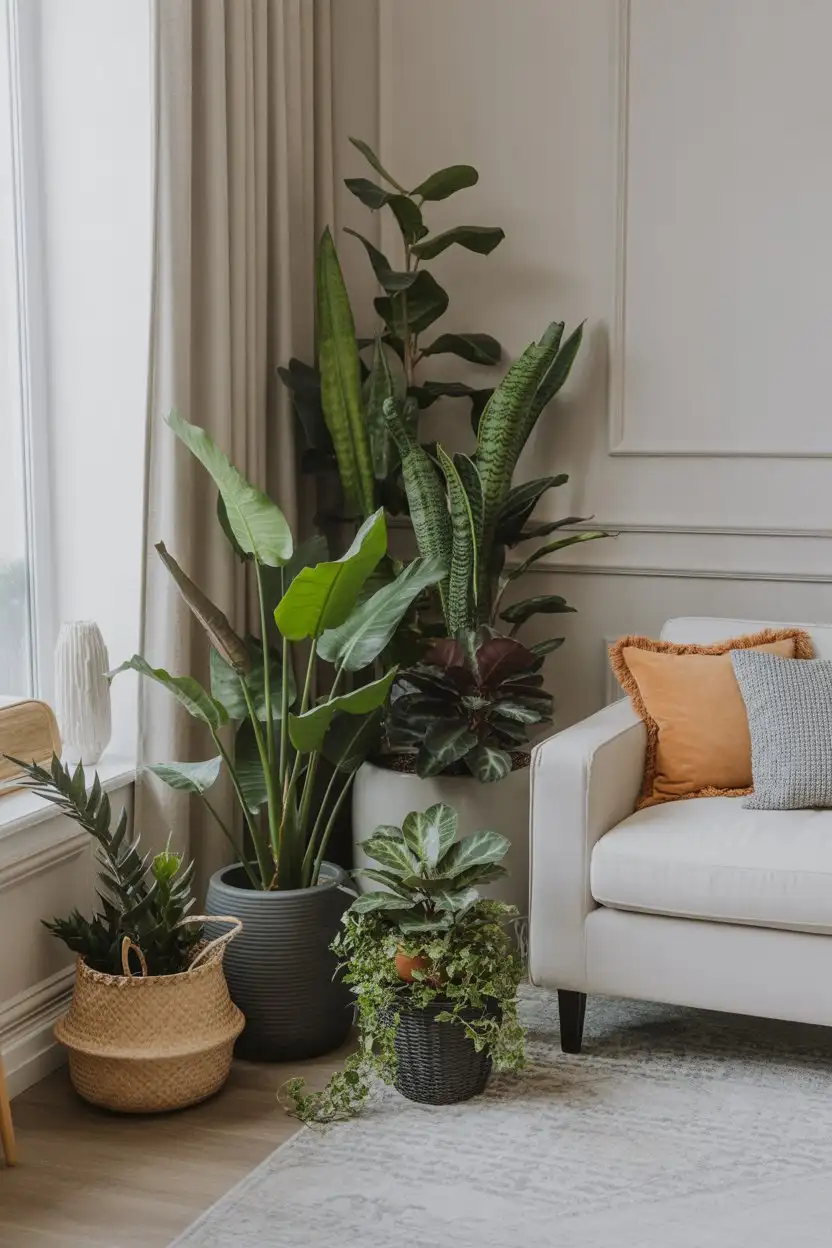
Layering plants creates depth, visual interest, and microclimates that benefit growth. Combine tall indoor trees with medium or trailing plants like Pothos or Philodendron.
This technique fills negative space, softens edges, and adds texture.
Key Points:
- Group small plants near larger ones for humidity
- Use varied heights for dynamic visuals
- Mix foliage types: glossy, patterned, and variegated
- Ensure enough light for all plant sizes
- Rotate arrangements seasonally for freshness
Layered plant decor turns simple indoor spaces into vibrant, green sanctuaries.
12. Seasonal Care Tips for Big Indoor Plants
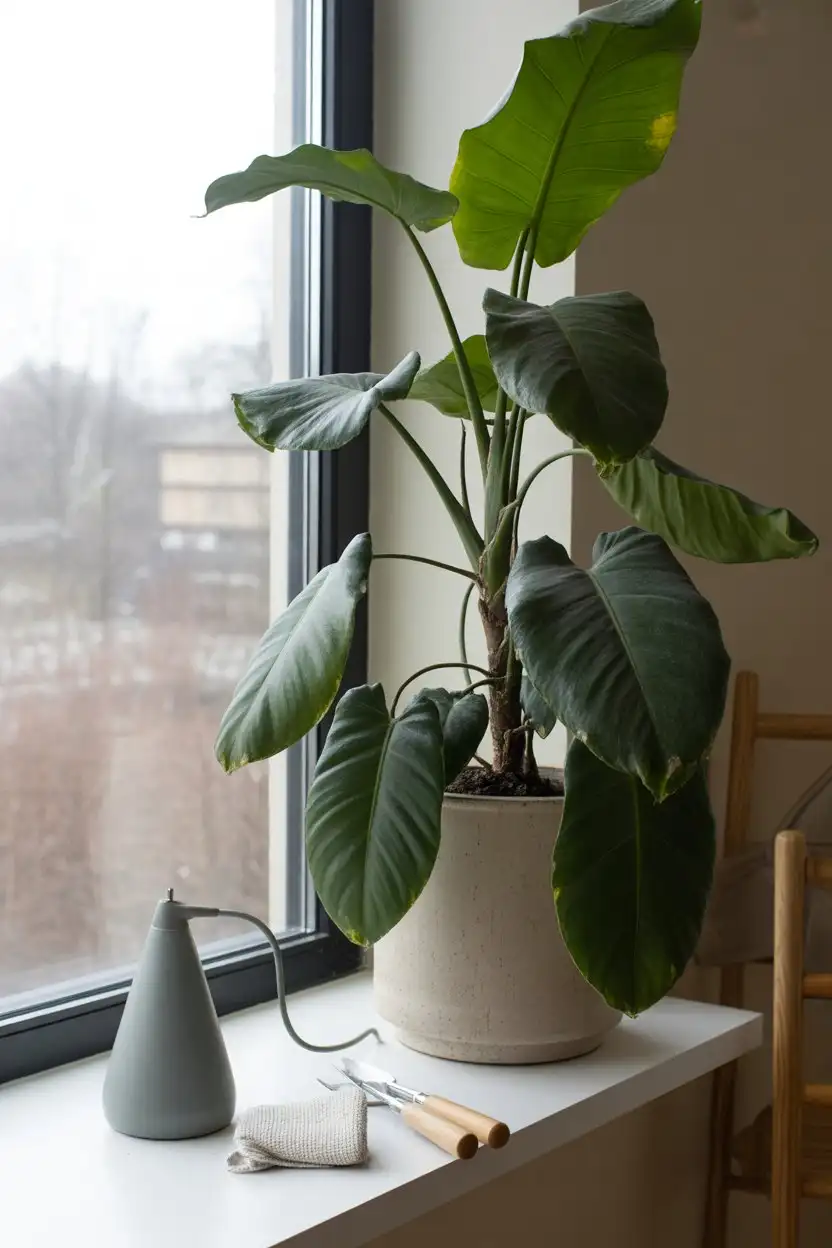
Large indoor plants need slight adjustments with changing seasons. Temperature, light intensity, and humidity vary, affecting plant health.
Summer may require more frequent watering, while winter demands less. Tropical plants may need occasional misting during dry months.
Key Points:
- Adjust watering based on season
- Increase humidity for tropical varieties in winter
- Move sensitive plants away from direct summer sun
- Monitor growth and prune dead leaves seasonally
- Rotate plants for even light exposure
Seasonal care keeps plants vibrant year-round with minimal effort.
13. Lighting Hacks for Low-Light Large Plants
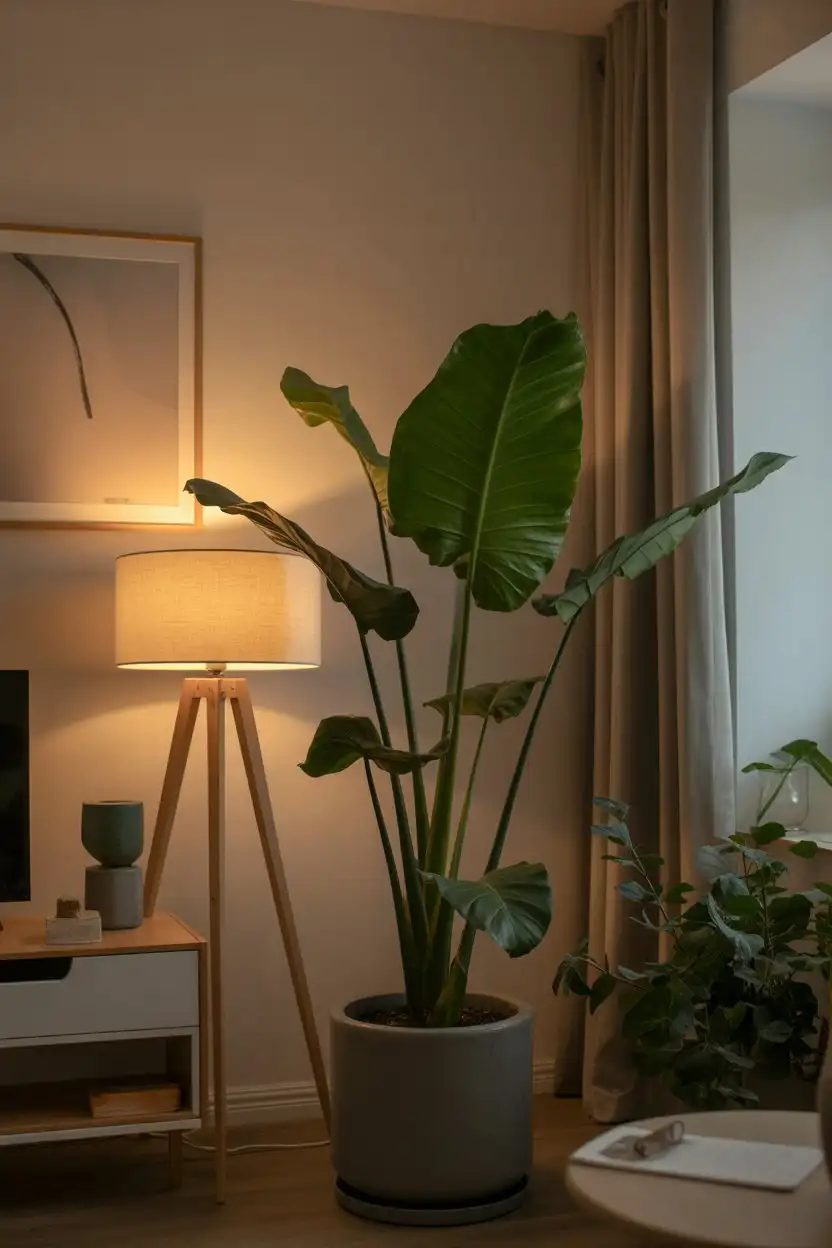
Not every home has perfect natural light. Low-light large plants like Snake Plant, ZZ Plant, and Rubber Plant can thrive with clever lighting hacks.
Use full-spectrum LED bulbs or place plants near bright artificial lights to mimic sunlight. Reflective surfaces like mirrors can amplify light for shaded corners.
Key Points:
- Use grow lights for dim rooms
- Place plants near windows with indirect light
- Reflective surfaces increase available light
- Rotate plants to prevent uneven growth
- Avoid harsh direct sunlight to prevent burns
Proper lighting ensures large indoor plants grow healthy even in low-light conditions.
14.Decorating with Statement Plants in Small Spaces
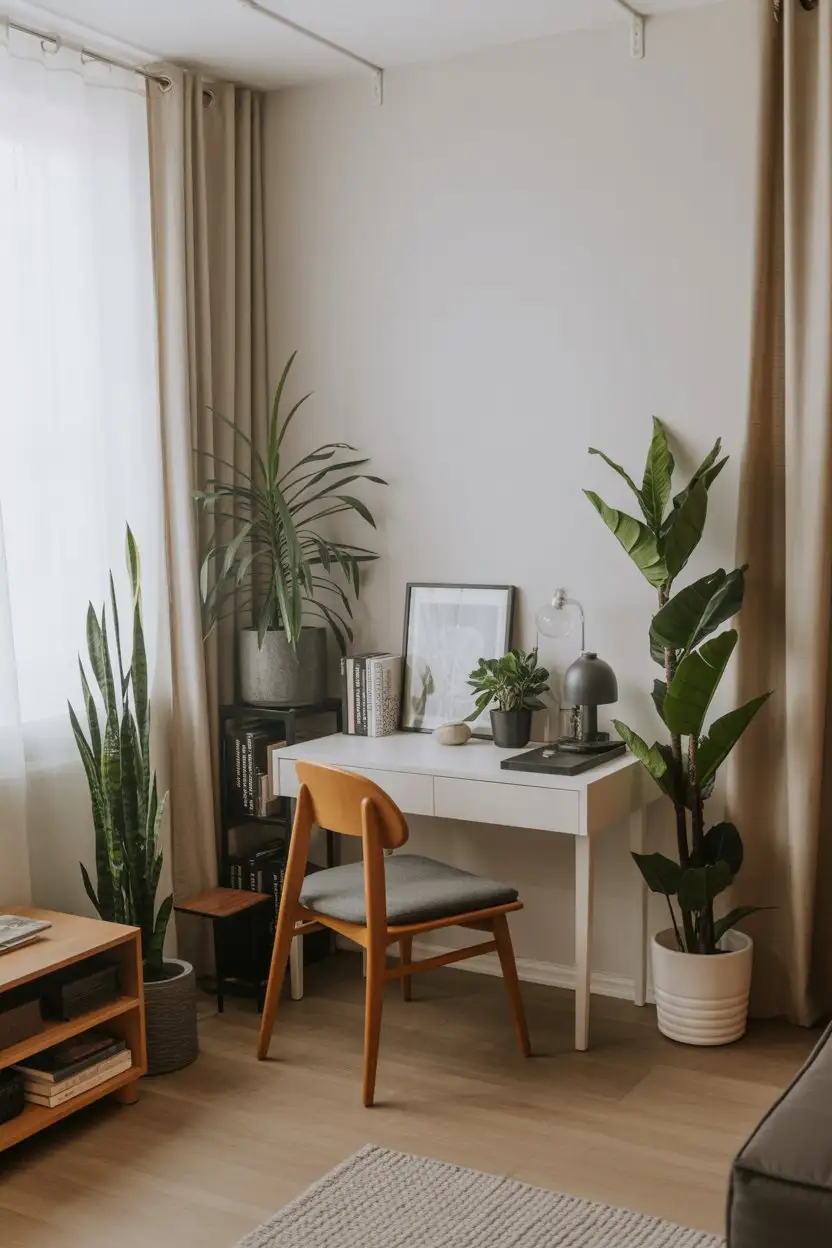
Even small rooms can benefit from big plants. Upright varieties like Dracaena or Snake Plant fill vertical space without overwhelming the floor area.
Corner placement, elevated stands, or hanging baskets create depth while keeping the room open.
Key Points:
- Use tall, narrow plants for corners
- Elevate plants with stands to add height
- Combine with small trailing plants for layered effect
- Ensure airflow and avoid clutter
- Choose planters that match decor style
Statement plants in small spaces create visual impact without sacrificing floor space.
15. Common Mistakes with Oversized Indoor Plants
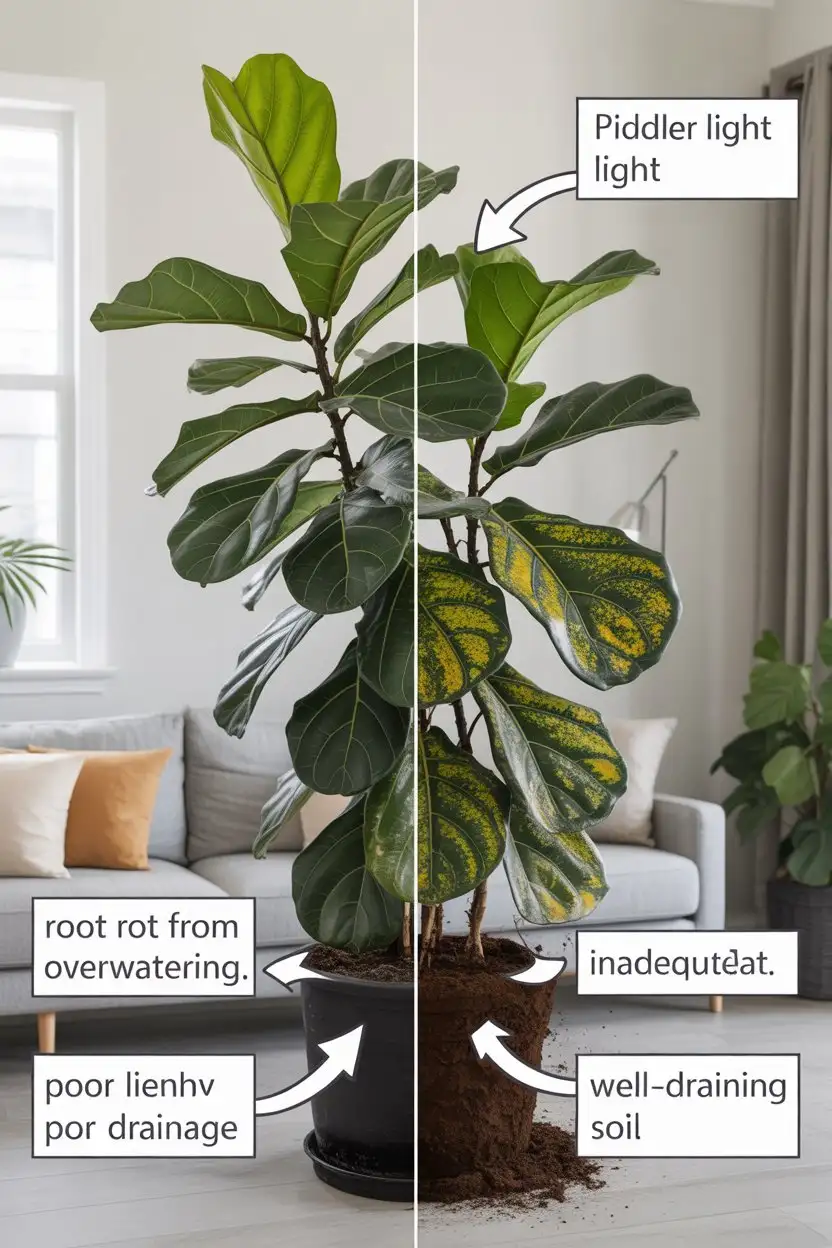
Mistakes can reduce plant longevity and aesthetic appeal. Overwatering, poor placement, and ignoring seasonal care are common pitfalls.
Large indoor plants need attention to light, soil, and pot drainage to thrive.
Key Points:
- Avoid overwatering; check topsoil first
- Do not block windows or ventilation
- Ensure proper pot size and drainage
- Rotate plants regularly for balanced growth
- Prune yellow or damaged leaves promptly
Awareness of common mistakes helps maintain healthy, beautiful plants for years.
17. Combining Large Plants with Furniture for Balance

Large indoor plants can complement furniture when styled carefully. Matching plant height with sofas, desks, or side tables creates harmony.
Grouping plants with furniture adds layers and prevents empty visual gaps in rooms.
Key Points:
- Place tall plants next to low furniture for contrast
- Group small plants on shelves beside large ones
- Use plants to soften sharp furniture edges
- Consider color coordination between pots and room palette
- Avoid overcrowding; maintain breathing space for plants
Proper furniture-plant combination makes interiors feel balanced and cohesive.
Conclusion
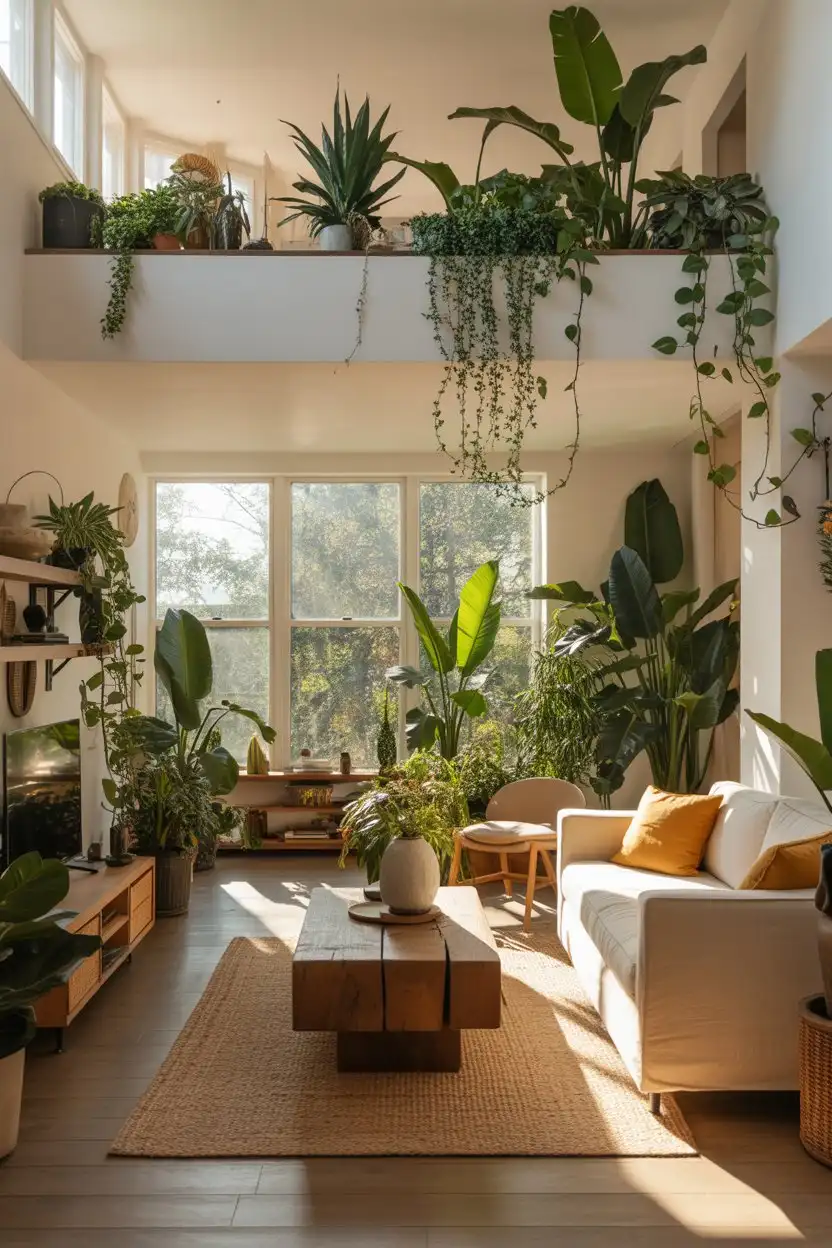
Large indoor plants transform any home, filling empty corners, blank walls, and dull spaces with natural height, texture, and life.
From bold indoor trees to low-maintenance snake plants and ZZ plants, there is a perfect plant for every room, light condition, and lifestyle.
By choosing the right plant, placing it strategically, and following simple care habits—like watering only when soil is dry, rotating for balanced growth, and misting tropical varieties—you can enjoy a lush, healthy indoor garden year-round.
Layering plants, combining large and small varieties, and selecting stylish planters elevates your decor while keeping maintenance easy.
Key Takeaways:
- Large plants create focal points, improve air quality, and add natural calm to your home
- Match plant type to light conditions and room size
- Use proper placement, pots, and care habits for long-lasting greenery
- Mix and layer plants for depth and style
“Start with one plant today, and watch your space transform into a vibrant, welcoming, and stylish home.”